Hackasaurus - code tinkering to mastery
Evergreen Community garden #mentorship
The problem
Teens had no familiar, hands-on way to learn HTML and CSS, and educators needed training to guide them.
What I did
With Atul Varma, built the X-Ray Goggles tool for remixing real web pages, and ran hack-jams with libraries.
What changed
It changed how out-of-school programs approach coding, and grew into an international collaboration.
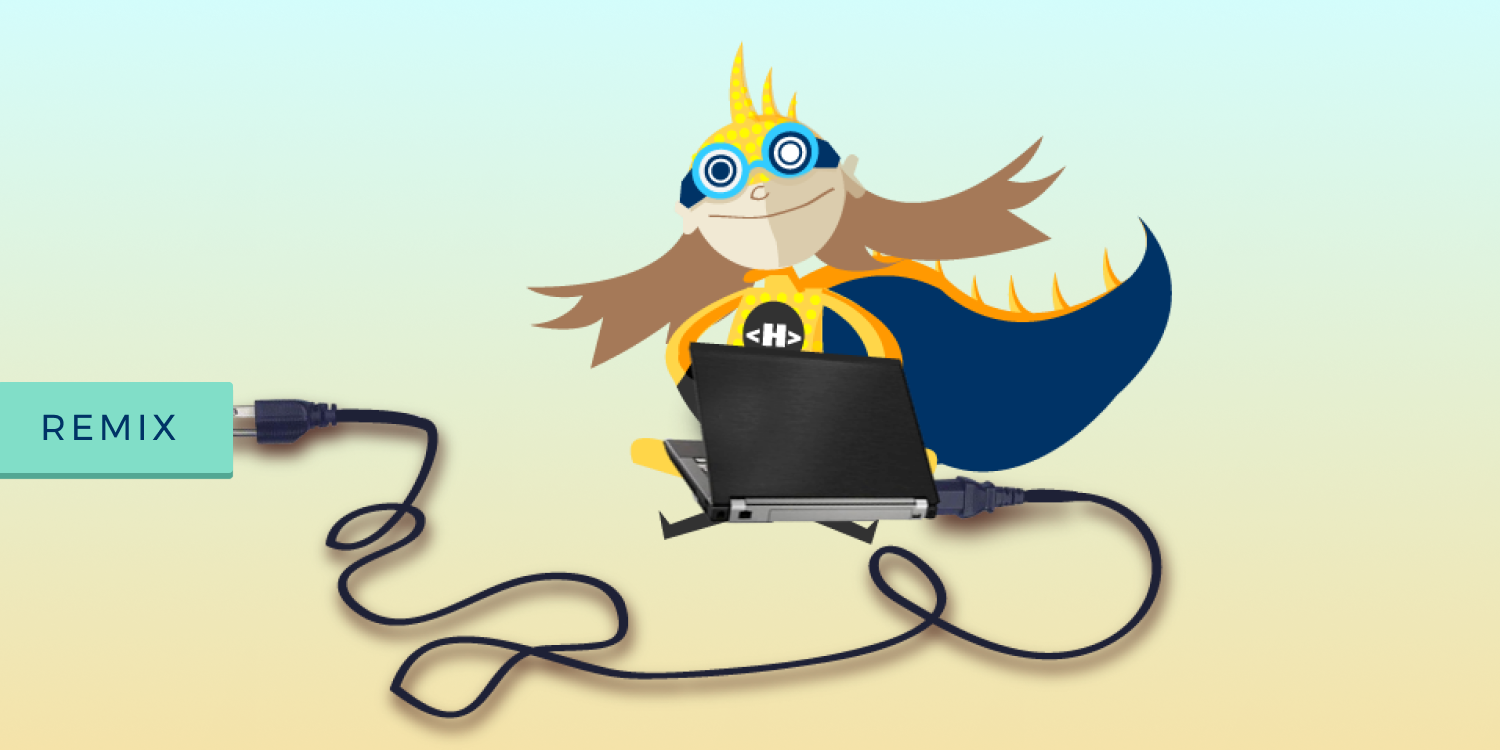
Hypothesis
Giving teens the ability to edit the sites they use every day, alongside training for educators to guide project-based learning, will help them learn HTML and CSS because they’re working in a familiar environment instead of an isolated coding sandbox.
intervention action logic
Prototyping and Testing Strategy
- Design: Provide a bookmarklet for teens to remix familiar websites and train educators to support them.
- Engage: Run hack-jams with after-school programs at the New York and Chicago Public Libraries.
- Test & Iterate: Test the learning approach and refine the tools.
Solution
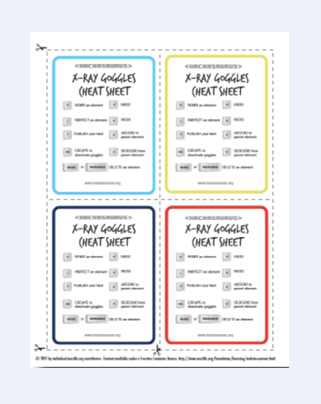
The X-Ray Goggles browser extension makes it easy to see and remix the code behind your favorite web pages. The goal: give users a fun, hands-on way to learn HTML and CSS.
https://www.youtube.com/watch?v=AOSAx7karNg
This is a useful overview from Doug Belshaw on how the tool works
https://www.youtube.com/watch?v=Gx63KznqGDc
This is a great educator-focused explainer by Common Sense Media.
Lo-Fi Design and Participartory Design
This project was conceived of, designed, and, implemented with Atul Varma. at Mozilla. We worked very closely with radical librarians in New York and Chicago initially, and this morphed into a huge international collaboration with educators and youth from Newark to Nairobi. We worked iteratively, testing and tweaking the tools and updating (and localizing) the curriculum.
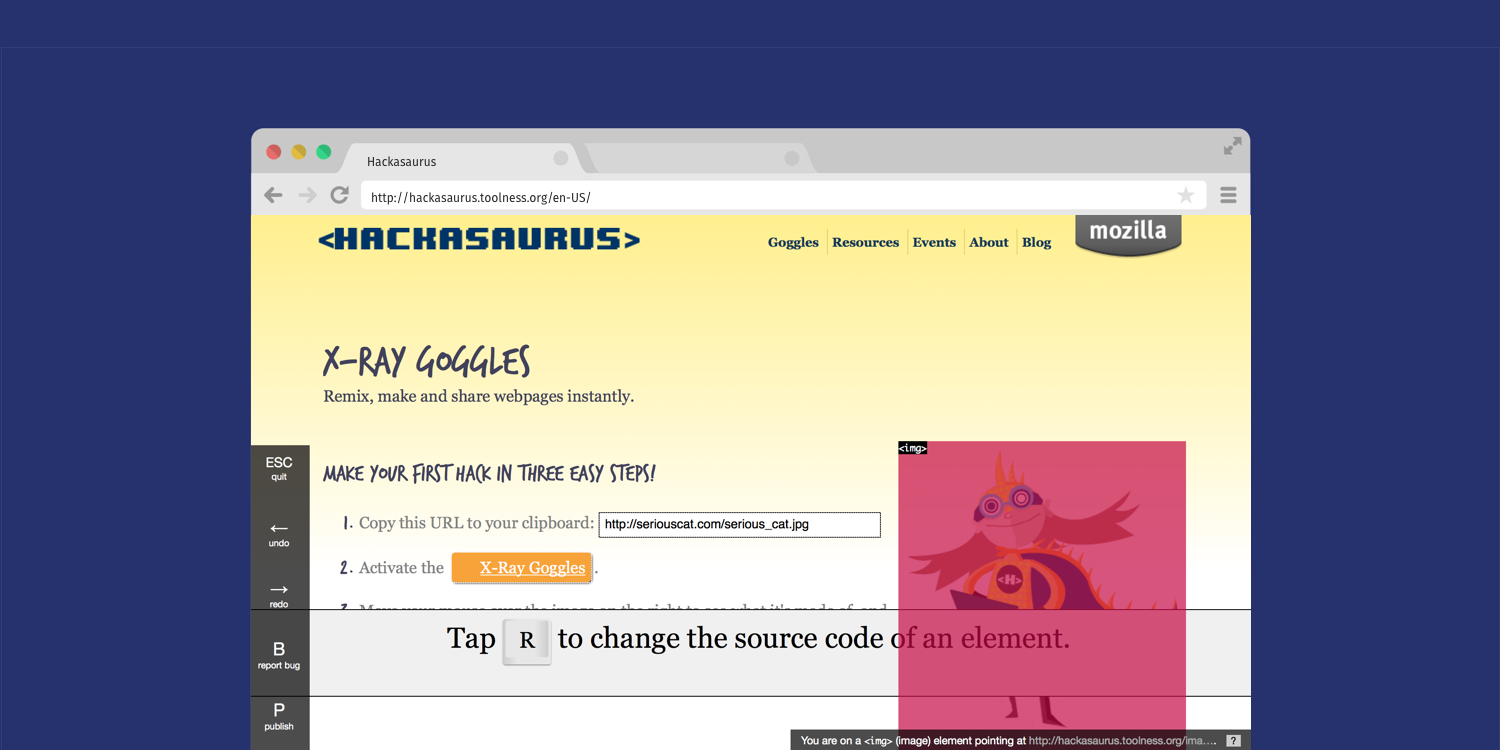
The bookmarklet in action remixing an image.
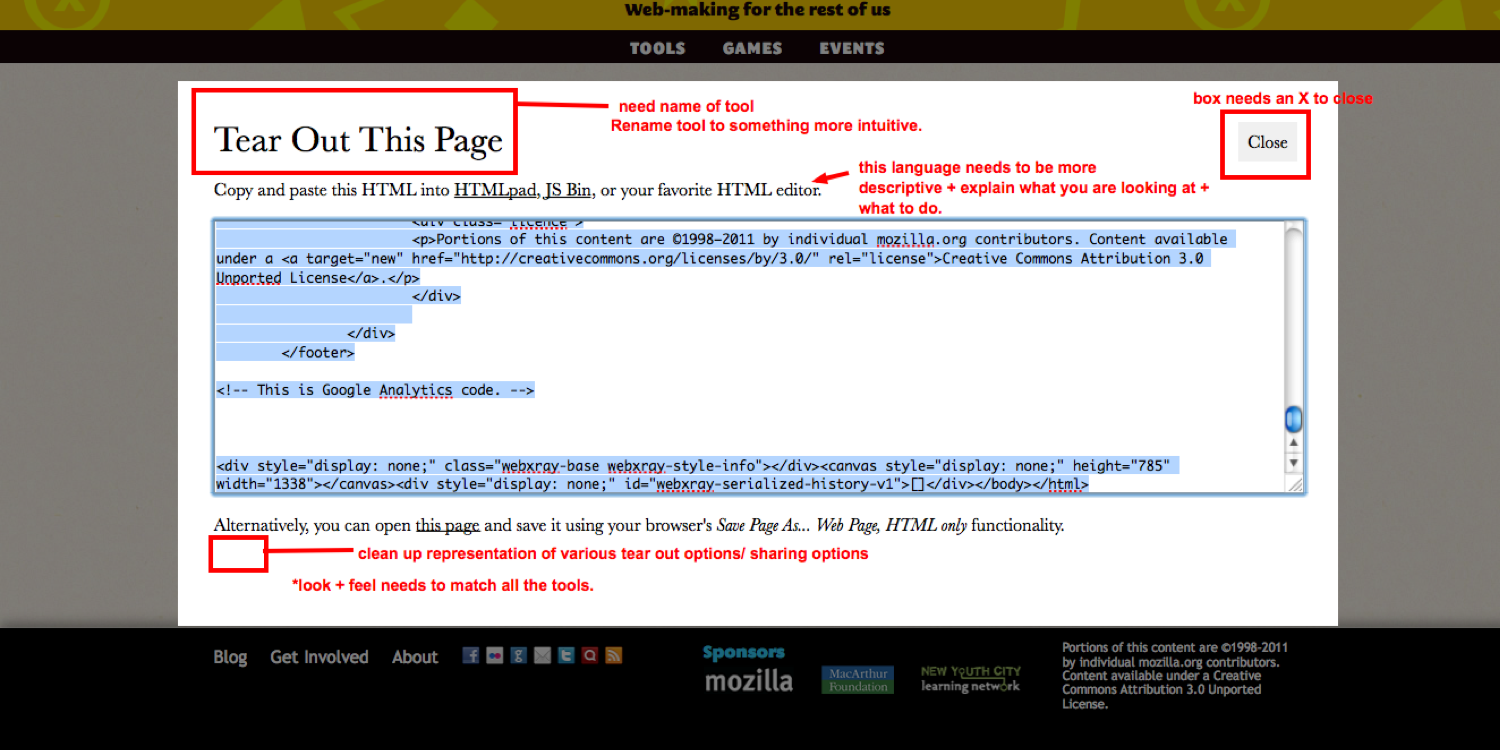
This is an early mockup of the editor. Lots of markup!

Writing about this
Apr 2012Beta Testing Kitchen TablesBlogspot
Mar 2012How One Girl is Changing the WebBlogspot
Mar 2012Iterating on the BombsBlogspot
Mar 2012Love bomb Mock UpsBlogspot
Mar 2012but wait, there's MORE!Blogspot
Mar 2012Lovebomb templatesBlogspot
Mar 2012Yo Momma is da BombBlogspot
Mar 2012Storytelling with EventsBlogspot
Jan 2012Am I bombing on this prototype?Blogspot
Jan 2012On Inspiration and lovebombsBlogspot
Dec 2011Hacking the Holidays- Peer to Peer Jam at MouseBlogspot
Dec 2011Hack Jams for Youth, by YouthBlogspot
Dec 2011Transitioning from Hacking to WebmakingBlogspot
Dec 2011Hacking your World: HIVE MoYo AmbassadorsBlogspot
Nov 2011Prototyping Win for Hackasaurus at Mozilla FestivalBlogspot
Sep 2011Working with Educators on HackasaurusBlogspot
Sep 2011Call for Educators!Blogspot
Aug 2011Learning Objectives for HackasaurusBlogspot
Aug 2011The initial frontier: Hackasaurus Training MissionsBlogspot
Aug 2011Storyboard for Hackable ComicBlogspot
Aug 2011What the Hackasaurus team does on our day offBlogspot
Aug 2011Hackable ComicsBlogspot
Aug 2011Hackasaurus Cheat SheetBlogspot
Apr 2011The Earth Day My Carbon Footprint 3D Design Hack Jam for Youth at the New York Hall of ScienceBlogspot
Apr 2011Youth Design Jams 101: Building Your ToolkitBlogspot
Feb 2011DrumbeatBlogspot